## Understanding How Occupancy Sensor Compatible LED Drivers Work
Occupancy sensor compatible LED drivers are integral components in modern lighting systems, providing both energy efficiency and enhanced functionality. Designed to automate lighting based on occupancy levels, these drivers ensure lights are only on when needed, promoting sustainability and reducing energy waste.
The key components of an occupancy sensor compatible LED driver include the driver unit, the occupancy sensor, and the LED fixture. The LED driver is responsible for controlling the electrical power to the LED while maintaining the desired current and voltage necessary for optimal performance. It converts the alternating current (AC) from the power source into the direct current (DC) needed by the LED lights.
Occupancy sensors are usually pir, ultrasonic, or dual-tech devices that detect the presence of individuals in a designated area. When a person enters, the sensor triggers the LED driver to power on the lighting system. Conversely, when the area is unoccupied, the sensor signals the driver to dim or turn off the lights, depending on the settings.
The working mechanism of these systems is typically automated and dynamic. When motion is detected, the occupancy sensor generates a signal that the LED driver processes, activating the lighting. Advanced technology such as low-energy consumption chips and integrated circuits in these drivers enhances their efficiency, enabling rapid response times to occupancy changes. Some systems even incorporate daylight harvesting features, adjusting lighting levels based on available natural light – further optimizing energy use.
In practical applications, consider a corporate office setting. Implementation of occupancy sensor compatible LED drivers can lead to significant energy savings. As employees move about during work hours, the lights automatically adjust according to occupancy, ensuring no energy is wasted on unoccupied spaces. Similarly, in a warehouse, this technology ensures that vast areas are only illuminated when needed, enhancing visibility and reducing operational costs.
Such technological advancements have streamlined production processes, particularly in manufacturing. By minimizing energy consumption, factories equipped with these systems can operate more efficiently, leading to reduced overhead costs and improved sustainability profiles.
In conclusion, the integration of occupancy sensor compatible LED drivers represents a significant step forward in energy management and smart lighting solutions. Their ability to reduce energy waste while maintaining optimal illumination makes them an essential component in the evolution of modern manufacturing systems. For those interested in implementing or learning more about these technologies, feel free to contact us. We are committed to connecting you with the leading suppliers in the industry who can provide tailored solutions for your lighting needs.

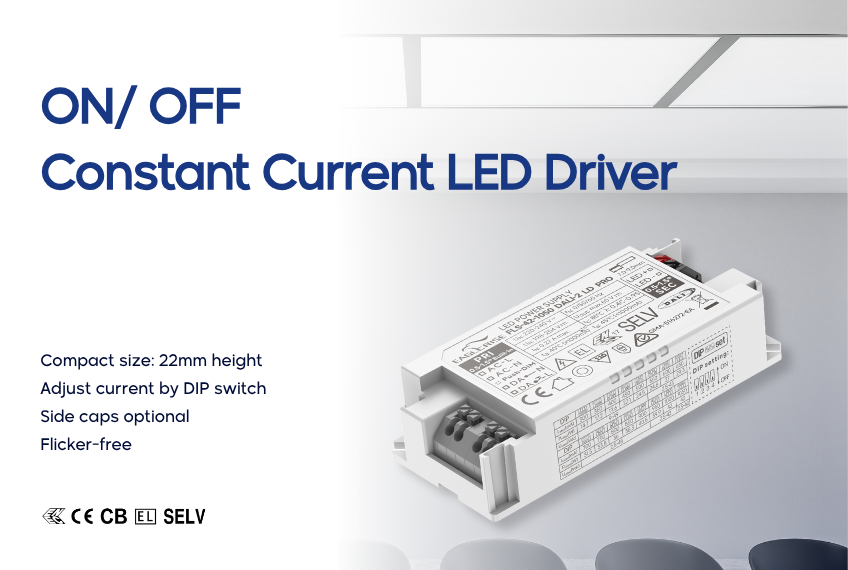
 DIP switch LED driver