## Understanding LED Drivers for Building Automation
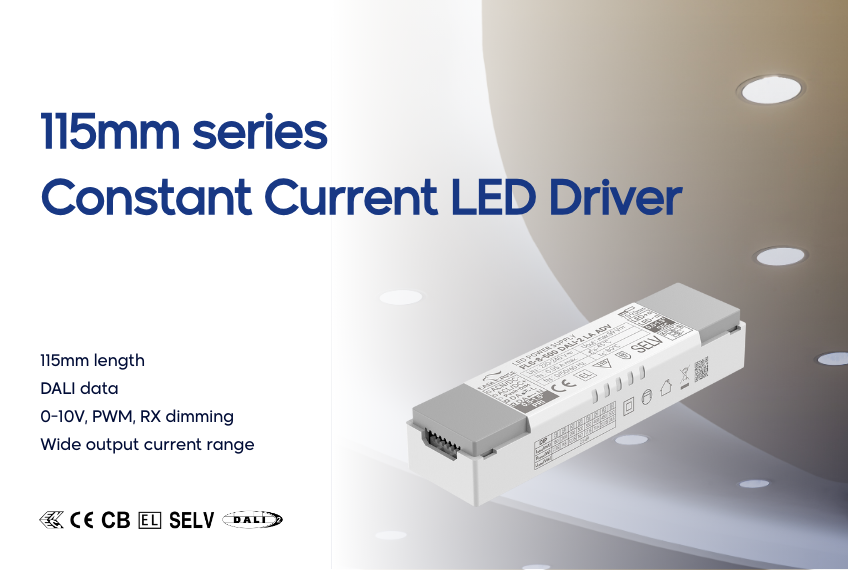
LED drivers are essential components in modern building automation systems, managing the operation and efficiency of LED lighting installations. Unlike traditional lighting, LEDs require specific current and voltage to function optimally, and this is where LED drivers come into play.
### Key Components of LED Drivers
An LED driver typically consists of several key components:
1. **Power Supply**: This converts the standard alternating current (AC) from the building’s electrical supply into the direct current (DC) required by the LEDs.
2. **Controller**: This manages the power output to the LED modules, allowing for dimming and control functionalities that enhance energy efficiency.
3. **Protection Circuit**: This safeguards the driver and the LEDs from voltage spikes and overheating, ensuring a longer lifespan and reliable operation.
4. **Feedback System**: Some advanced LED drivers feature a feedback loop that continuously monitors the current flowing through the LEDs, allowing for precise adjustments to maintain optimal brightness without overloading the components.
### Working Mechanism
The working mechanism of an LED driver begins with the conversion of AC to DC. The power supply receives the AC voltage and rectifies it, after which the controller modulates this DC voltage according to the required output for the specific LED installation. By adjusting the current supply, the driver can not only turn the LEDs on or off but also enable dimming features. This flexibility allows for a tailored lighting solution suited for various applications, enhancing both aesthetics and energy usage efficiencies.
### Advanced Technology Integration
Modern LED drivers leverage advanced technologies such as digital control systems and IoT connectivity, which enable remote monitoring and management. For example, in a smart building, the LED driver can be integrated into the building automation system to respond to occupancy sensors or daylight harvesting inputs. This intelligent interaction optimizes energy consumption — lights can be dimmed or turned off automatically when rooms are unoccupied or when natural light is sufficient, significantly reducing energy costs.
### Practical Applications
Consider a scenario in a commercial office building: by using programmable LED drivers connected to a building management system, facility managers can create dynamic lighting schedules that adjust according to employee attendance or the time of day, while also incorporating emergency lighting protocols. This not only enhances the working environment by providing adequate lighting but also promotes sustainability and reduces operational costs.
In conclusion, the LED driver is a crucial component in building automation that enables the effective management of lighting systems through advanced technology. This enhances energy efficiency, ensures reliable operations, and fosters the creation of smart, responsive environments. For more information about how LED drivers can optimize your facility, suppliers are available to assist you with your needs. Should you have any inquiries, feel free to contact us.

.jpg)
 UL listed LED driver