## Understanding LED Drivers for Exhibition Lighting
LED drivers play a crucial role in exhibition lighting, acting as the brain behind the beautiful illumination that enhances displays and exhibits. At their core, LED drivers convert standard electrical power into the specific voltage and current levels required by LED fixtures. This process ensures that the LEDs operate efficiently, maximizing their performance and lifespan while minimizing energy consumption.
### Key Components of an LED Driver
An LED driver typically consists of several essential components. The power supply is the most critical element, converting alternating current (AC) from the mains into direct current (DC) suitable for LEDs. This conversion process often involves a transformer, rectifier, and filtering circuitry, which maintain a steady output voltage and current.
Another key component is the controller IC (Integrated Circuit), which regulates the LED's output and ensures consistent brightness. Advanced controllers can adjust the output based on external conditions such as ambient light, thus enhancing the energy efficiency of the lighting system. Additionally, many LED drivers include thermal management systems, ensuring that the driver and the connected LEDs do not overheat—a common risk that can lead to early failure.
### Working Mechanism
When an LED driver receives power, it begins the conversion process. The AC power is transformed into a suitable DC voltage, and the controller IC modulates this current to provide the optimal power to the LED. Depending on the application, the driver may use a method called PWM (Pulse Width Modulation) to control brightness levels. By turning the LEDs on and off at high speeds, PWM can create the illusion of varying brightness levels without wasting energy.
### Application of Advanced Technology
Modern LED drivers incorporate advanced technology, ensuring efficiency and reliability. For instance, smart LED drivers can communicate with lighting control systems, enabling features like remote dimming or color changing. This adaptability is especially important in exhibition settings, where lighting needs may shift based on specific displays or themes.
A practical example can be seen in art galleries where dynamic lighting enhances the visitor's experience. A well-designed LED driver allows the gallery to employ varying brightness levels and color temperatures to highlight different artworks while conserving energy.
### Conclusion
In conclusion, LED drivers for exhibition lighting are integral in achieving not just illumination but also aesthetic value. They leverage advanced technology to enhance efficiency in production and operations. As manufacturers and suppliers increasingly tap into this technology, it is vital for those in the exhibition industry to consider these innovative solutions. For more information, or to explore your options among suppliers, please contact us.

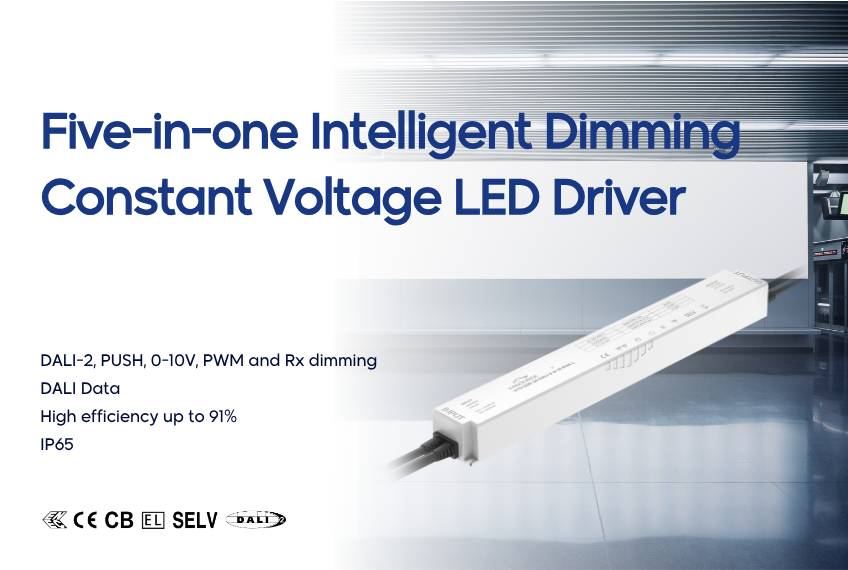

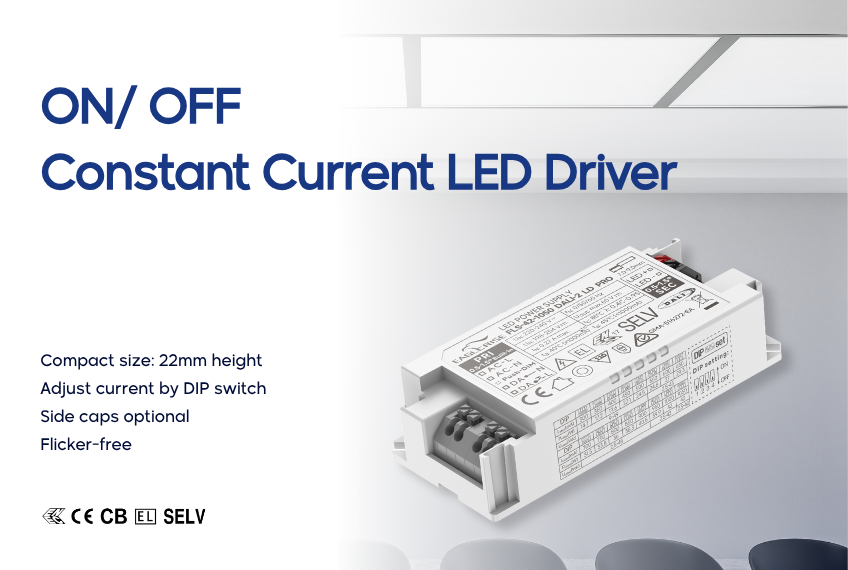
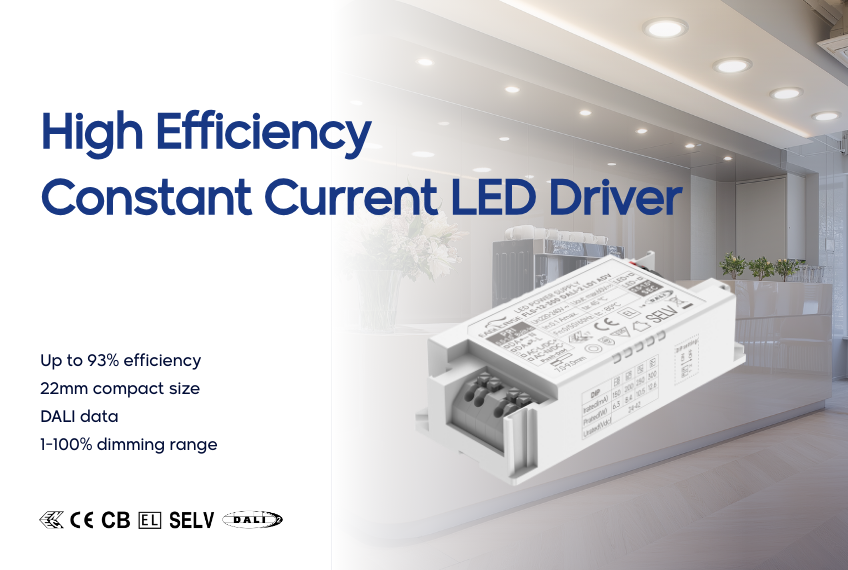
 programmable constant current LED driver