## Understanding Circadian Rhythm LED Drivers: Key Components and Mechanisms
Circadian rhythm LED drivers represent a significant advancement in lighting technology, designed to mimic natural daylight patterns. This technology is based on our biological clock, or circadian rhythm, which plays a crucial role in regulating sleep, mood, and overall health. By intelligently adjusting light intensity and color temperature throughout the day, circadian rhythm LED drivers enhance both human well-being and productivity.
At the heart of a circadian rhythm LED driver are several key components: a microcontroller, light sensors, and the LED array itself. The microcontroller serves as the brain of the system, processing data from light sensors that measure ambient lighting conditions. These sensors enable the driver to adjust the color temperature and brightness of the LEDs in real-time, creating a dynamic lighting environment that simulates the natural progression of daylight.
During the morning, for instance, the LED driver emits cooler, bluish light that can promote alertness and improve cognitive function. As the day progresses into afternoon, the light gradually transitions to a more neutral white, and eventually to warmer tones in the evening, which help to signal to the body that it is time to wind down. This careful orchestration of light mimics the sun's natural cycle, thereby aligning artificial lighting with our biological needs.
The application of this advanced technology in modern manufacturing is profoundly impactful. In industries such as pharmaceuticals and electronics, where employee concentration is critical, circadian rhythm LED drivers can enhance worker productivity and reduce fatigue. Imagine a manufacturing facility where the lighting system automatically adjusts, creating an environment that fosters focus during peak hours and relaxation as the shift ends. This not only boosts morale but also leads to fewer errors and improved overall efficiency.
Moreover, circadian rhythm LED drivers contribute to energy efficiency. By utilizing adaptive lighting control, manufacturers can significantly reduce energy costs while adhering to sustainable practices. With fewer resources consumed, the potential for long-term savings becomes evident, making these systems an attractive investment for companies looking to enhance their operational efficacy.
In conclusion, the implementation of circadian rhythm LED drivers in modern endeavors showcases how innovative technology can profoundly reshape our workplaces. For suppliers and manufacturers seeking to enhance their productivity and employee well-being, exploring circadian rhythm LED driving systems is essential. If you're interested in incorporating this transformative technology into your operations, feel free to contact us for more information.


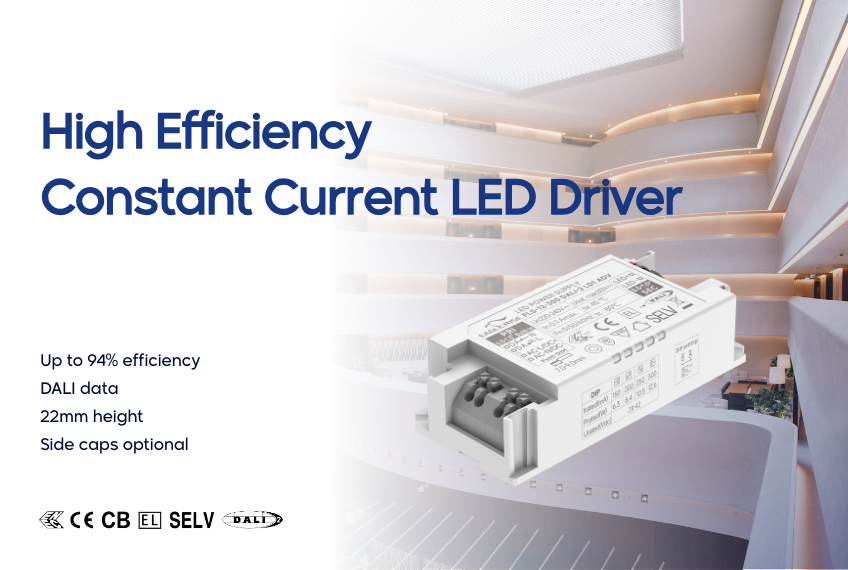


 LED driver 120-277V