An LED driver 277V is a crucial component in powering LED lighting systems, specifically designed to operate at the 277V line voltage commonly used in commercial and industrial environments. Expertise in LED technology is essential, as many applications require drivers that can efficiently convert high-voltage AC power into lower-voltage DC power, tailored to the needs of light-emitting diodes. The effective operation of an LED system hinges on selecting the right driver, as it regulates output current, enhances energy efficiency, and ensures product longevity.
LED drivers are necessary not just for energy conversion but also for providing the stability and consistency required for LED performance. They manage electrical current, safeguarding LEDs from fluctuations that could lead to premature failure or inconsistent brightness. This stabilization is particularly important in settings like warehouses, manufacturing facilities, and retail spaces, where consistent lighting is vital for safety and visual appeal.
The 277V specification is significant because many commercial lighting systems operate on this voltage level, particularly in North America. This voltage is often chosen for its ability to provide adequate power over long distances, reducing energy losses typical at lower voltages. An effective 277V LED driver must comply with safety and performance standards while minimizing electromagnetic interference and meeting necessary regulatory requirements.
In addition to energy efficiency, today's 277V LED drivers often come equipped with advanced features such as dimming capabilities, surge protection, and compatibility with smart lighting systems. These enhancements not only extend the lifespan of LED fixtures but also contribute to energy savings, thus aligning with sustainability goals prevalent in today’s industries.
Experience with various brands and types of LED drivers allows professionals to recommend the most suitable options based on specific lighting applications and operational requirements. Factors to consider include environmental conditions, fixture types, and desired light output, all of which influence the choice of driver in terms of wattage, size, and features.
To maintain authoritativeness in the field, it is essential to stay updated on technological advancements in LED driver design and emerging standards. As the lighting industry continues to evolve, understanding the nuances of high-voltage LED drivers, their integration into broader lighting systems, and their role in enhancing energy efficiency remains paramount for professionals seeking to optimize both performance and sustainability in their lighting solutions.

.jpg)
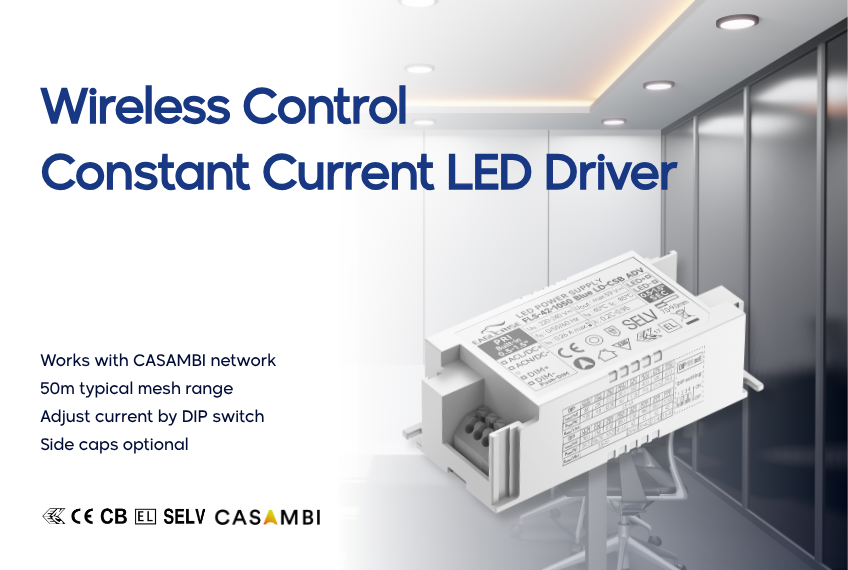
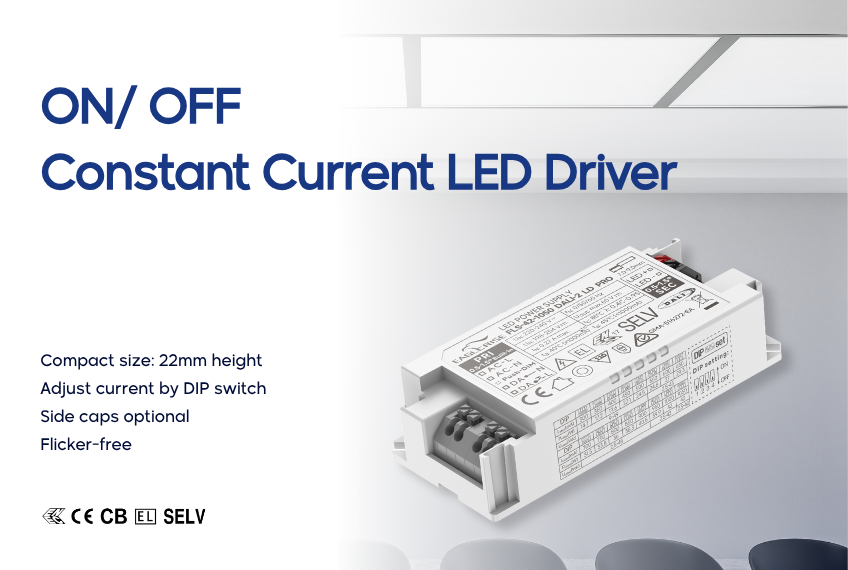
 LED driver 100-277V