## Understanding LED Drivers for Office Building BMS
In the realm of modern office building management systems (BMS), LED drivers play a pivotal role in ensuring efficient and sustainable lighting solutions. These electronic devices regulate the current, voltage, and power output to LED lights, thereby optimizing their performance and longevity. Understanding how LED drivers work, their key components, and the application of advanced technology within these systems is essential for any facility manager or technician.
At the heart of an LED driver are three primary components: the power supply, the control circuitry, and the output stage. The power supply converts the alternating current (AC) from the building’s electrical system into direct current (DC), which is essential for LED operation. This conversion is critical as LEDs require a stable and consistent current to function effectively, preventing flickering or premature failure.
The control circuitry in an LED driver monitors and adjusts the output to ensure the LEDs receive the necessary current without exceeding their specifications. Modern LED drivers often incorporate advanced technology like pulse-width modulation (PWM) to effectively control brightness levels. PWM works by rapidly switching the LED on and off, effectively controlling the perceived brightness without wasting energy, making it a key aspect of energy-efficient lighting solutions.
Additionally, some LED drivers feature intelligent connectivity, enabling integration with building management systems. This allows for real-time monitoring and adjustments based on occupancy, daylight levels, or specific tasks. For instance, in a large office environment, the BMS can dynamically adjust the lighting based on the number of people in a conference room, reducing energy consumption during hours when the space is unoccupied.
The importance of LED drivers in modern manufacturing cannot be overstated. As organizations strive for sustainability and reduced operational costs, LED lighting systems powered by efficient drivers represent a significant step towards achieving these targets. For example, consider a corporate headquarters that upgraded its lighting to LEDs controlled by a sophisticated driver; not only did they reduce energy consumption by over 50%, but they also improved employee productivity and workplace satisfaction through better light quality.
In conclusion, LED drivers are a vital component of office building BMS, facilitating intelligent, efficient, and sustainable lighting solutions. Their advanced technology enhances productivity and reduces energy costs, proving essential for modern manufacturing. For those interested in upgrading their lighting systems or seeking reliable suppliers, we encourage you to contact us to explore the best options tailored to your specific needs.

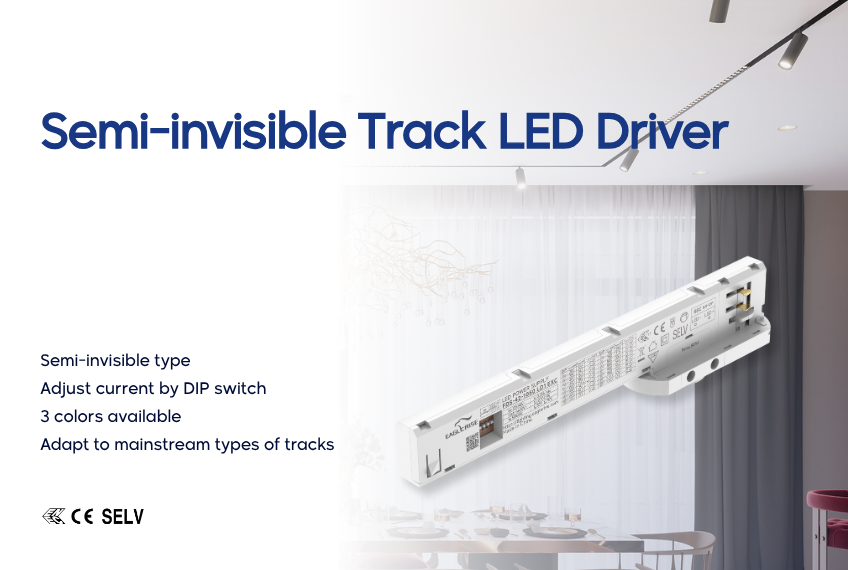
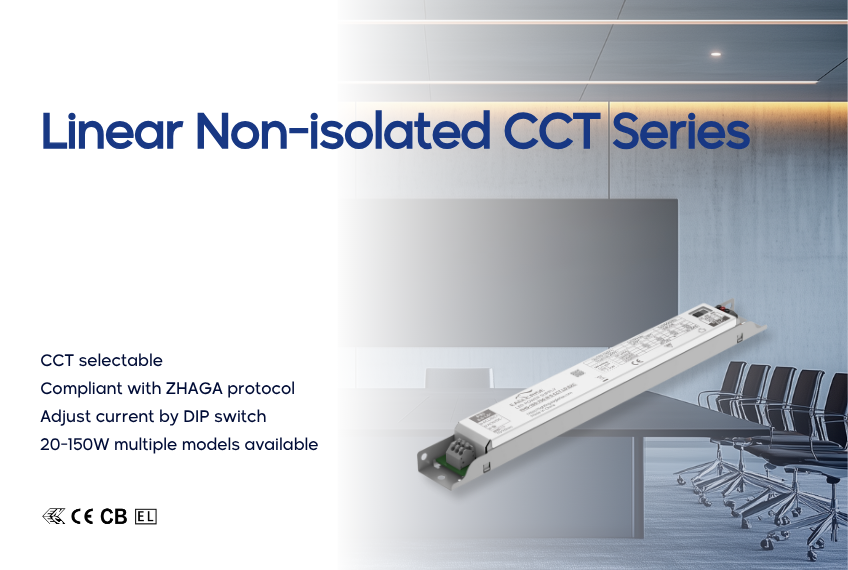
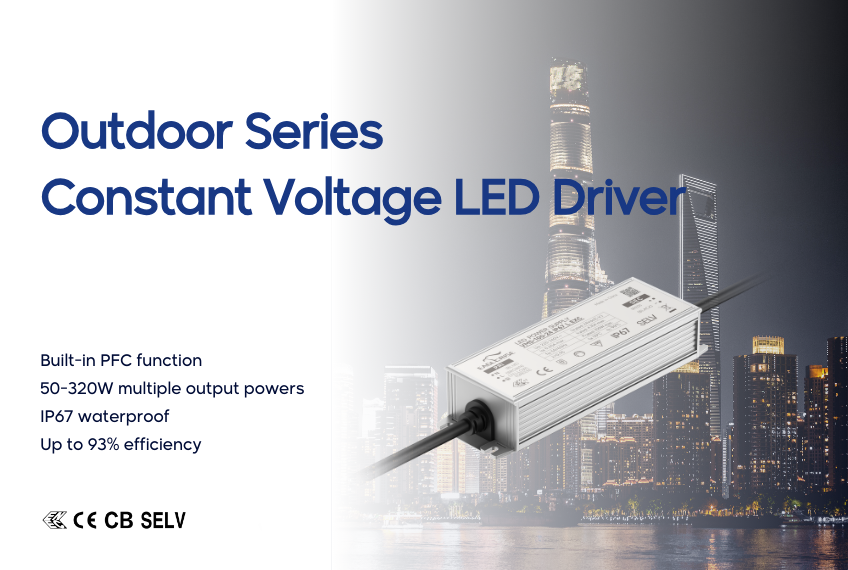

 LED driver 120-277V