## Understanding LED Drivers for Grow Lights
LED drivers play a crucial role in the functionality of grow lights utilized in indoor farming and horticulture. These components regulate the power supplied to LED light fixtures, ensuring that plants receive optimal light conditions for growth. This article delves into the workings, key components, and advanced technologies integrated into LED drivers for grow lights.
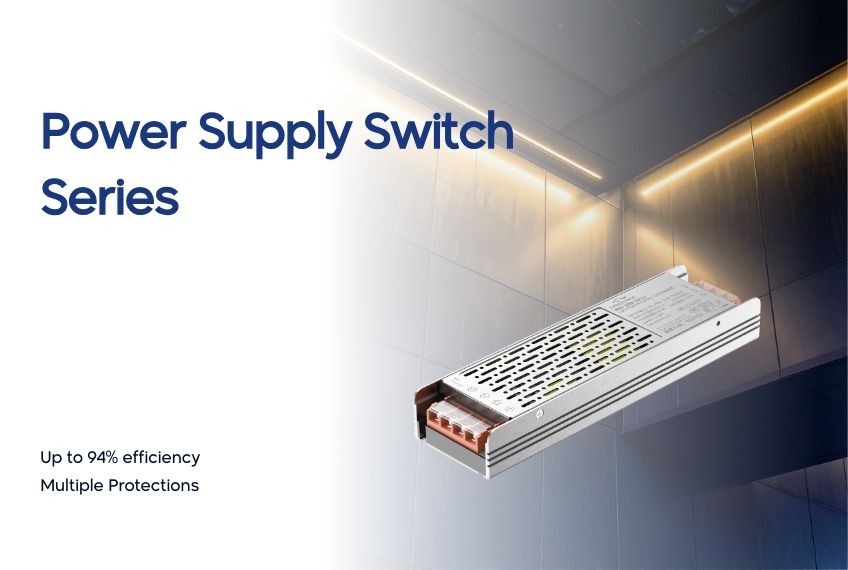
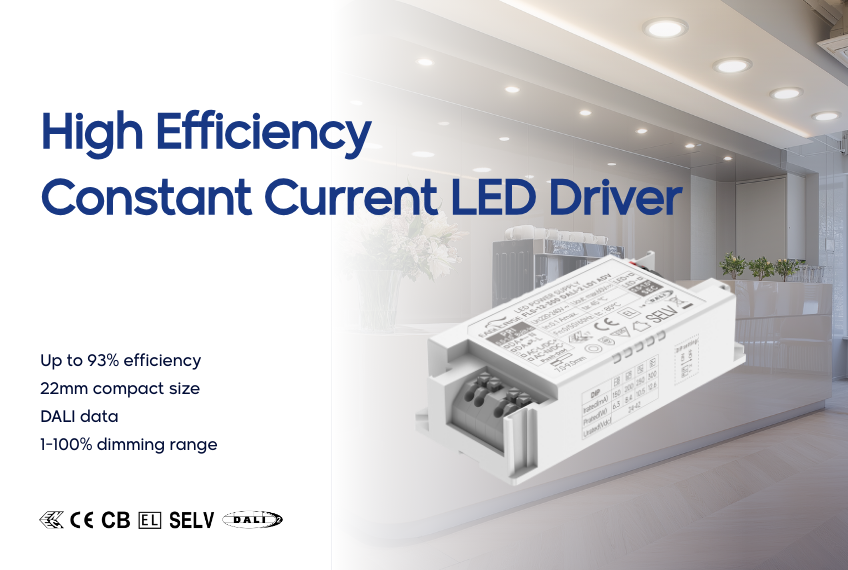
At its core, an LED driver converts the alternating current (AC) from power sources into a direct current (DC) that LED lights require. This conversion is vital as LEDs operate on low-voltage DC, unlike traditional lighting systems. The driver also serves to regulate the current and voltage to prevent fluctuations that can harm the LEDs.
Key components of an LED driver include:
1. **Power Supply**: This is the initial stage where AC power is transformed into the necessary DC voltage.
2. **Control Circuitry**: This component monitors voltage levels and adjusts the power output to maintain steady operation. It ensures that the lights run at peak efficiency, thereby extending their lifespan.
3. **Heat Management System**: Effective thermal management is crucial since LEDs can be sensitive to heat. Heat sinks or cooling fans are implemented to dissipate heat and maintain an optimal operating temperature.
Advanced technology in LED drivers has transformed production processes for grow lights, enabling manufacturers to create highly efficient systems. For example, the integration of digital dimming technology allows growers to modify light intensity according to the plants' growth stages. This feature enhances energy efficiency and contributes to lower operational costs.
One practical application is seen in vertical farming, where space is limited, and maximizing light exposure is critical. LED drivers equipped with smart technology can be programmed to adjust the light spectrum, simulating natural sunlight better than traditional systems. This precision nurtures optimal growth for a variety of plants, from herbs to fruit-bearing crops, significantly improving yield.
Another example is in climate-controlled greenhouses, where LED drivers contribute to energy savings by allowing growers to harness renewable energy sources, like solar power. By using drivers with advanced efficiency ratings, growers can reduce dependency on the grid and lower their carbon footprint.
In conclusion, LED drivers for grow lights embody advanced technologies that enhance energy efficiency and adapt to various farming needs. Their ability to optimize performance through intelligent regulation and thermal management makes them indispensable in modern agricultural practices. For suppliers or those interested in exploring this technology further, contact us to learn more about the innovative solutions available in the market.

.png)

 Triac dimmable LED driver for hotel